Start the Conversation
15 minutes · free · phone or Zoom
A relaxed opportunity to discuss what has brought you here, ask questions about Embodied Imagination and explore whether OPUS feels like the right fit. There is no obligation to continue.
OPUS is a depth-oriented embodied psychotherapy practice for those drawn toward self-exploration—where symptoms, dreams and life transitions are met not as problems to solve, but as opportunities to enrich one’s life with soul.
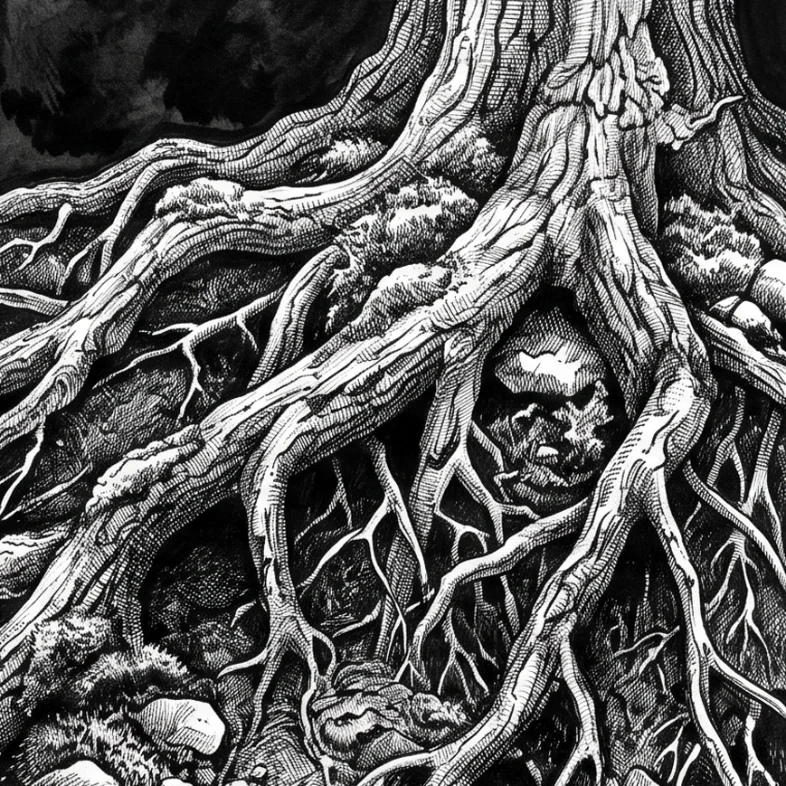
What troubles us often begins where an issue first appears, while its underlying causes may lie deeper
Anxiety, grief, relationship difficulties, disturbing dreams or periods of uncertainty often point toward deeper psychological structures requiring exploration and calling out for attention.
OPUS provides a grounded, reflective space to explore these patterns carefully—helping uncover what has remained hidden, while supporting meaningful and lasting change.
Slowing down and attending to unconscious images through detailed observation, we begin to explore the imaginal world—the source of creativity and innovation. Embodying these images brings new information, enabling us to better navigate life’s inevitable challenges. — S.
An inner focus on mind and body, attending closely to sensations, symptoms, memories and dreams as meaningful expressions of lived experience.
Engaging safely with various psychic images through a sense of place and mimesis, allowing experience to unfold while remaining anchored in the body.
Holding together body states and emerging insights, allowing new information to activate neural pathways and support meaningful change in everyday life.
A movement from the treatment of the body toward the cultivation of a soulful life—OPUS as a contemporary apothecary.
For more than twenty years, I’ve worked passionately alongside people navigating health, change and uncertainty. My professional journey began as a pharmacist and led toward psychotherapy and counselling—work that allows me to engage creatively and deeply with the forces that shape our lives.
I’m drawn to the patterns beneath experience: the creativity that emerges through dreams and imagination, and the ways the creative imagination can shape our lives—especially our relationships with ourselves, with others, and how fully alive we feel in this human experience.
My training as a pharmacist taught me the discipline of scientific rigour and evidence, but deeper work asks for something more integrative: a willingness to honour both science and imagination rather than choosing between them. Various symptoms may point toward what needs attention in the depths of soul. Over time, I’ve come to consider healing not as a goal on a single register. Rather, engaging with multiple registers—including images of the creative imagination—can have the inevitable side effect of healing.
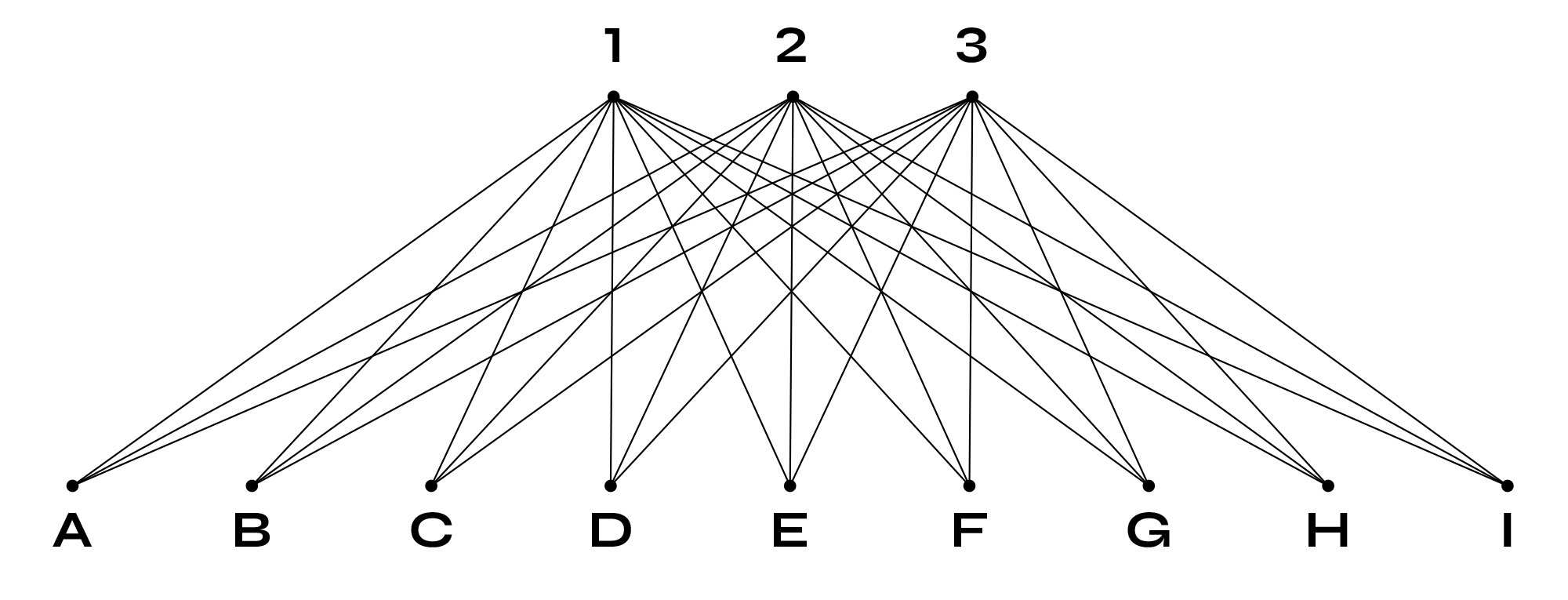
In practice, this means considering mind, body, emotion and soul as a single, interdependent network rather than as separate problems to be healed, removed or solved in isolation. A recurring dream, chronic tension held in the shoulders, or an emotion that won’t settle are rarely unrelated. My role is to help a person move fluidly between these registers so that insight in one area can support adaptation and change in another.
I don’t provide simple answers. I offer a space where insight can develop, new perspectives can emerge and meaningful change can take root.
I work with those seeking greater balance, psychological flexibility, and a deeper understanding of themselves. — S.
Multiple perspectives are available to inform the phenomenology of being within the human experience.
I draw inspiration from the ancient dream-healing sanctuaries and the alchemical psychology of Carl Jung and James Hillman, including their approaches to depth psychological work. Studying under Robert Bosnak—Jungian psychologist and founder of Embodied Imagination—has led me to incorporate alchemical notions into my practice as an embodiment therapist. Alchemical imagery provides a rich metaphor for psychological processes and states that inform my work.
Nigredo (blackening): Decomposition, falling apart, dismemberment and descent into the underworld where outdated structures break down.
Blue (the blues): Transition from the sadness of dark blue, emotional suffering and deep sorrow into the light-blue spark of new awareness.
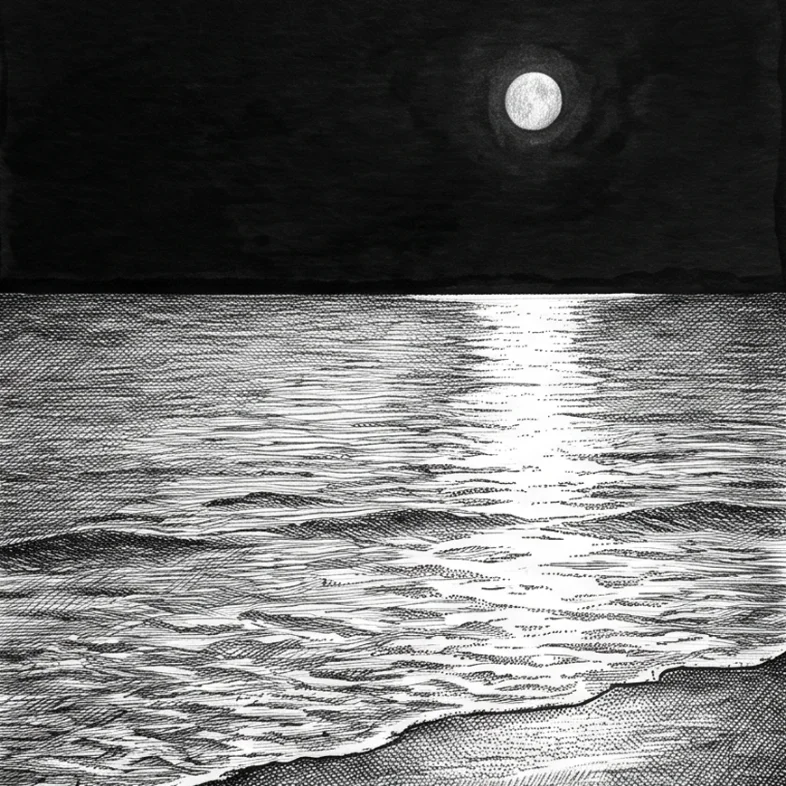
Albedo (silvering / whitening): Reflection with cool detachment, associated with moon and silver—like a mirror and deep inner contemplation.
Citrinitas (yellowing): Fermentation; inner reflection that ferments the entire body. A transition where reflection has occurred and action in the world is no longer reactive and ungrounded.
Rubedo (reddening): Inner realisation and reflection directed outward into the world as creative action, related to the solar principle and the Philosopher’s Stone.
{{ v.d }}
A contemporary form of psychological work that bridges science, imagination and human experience—each modality bringing a different form of deep listening.
{{ s.d }}
Moving through all kinds of issues, guidance is structured through the three stages of the Opus Method: 1. Observe; 2. Explore; and 3. Embody. This creates a solid foundation for real transformation, in turn creating new possibilities and ways of seeing the self. — S.
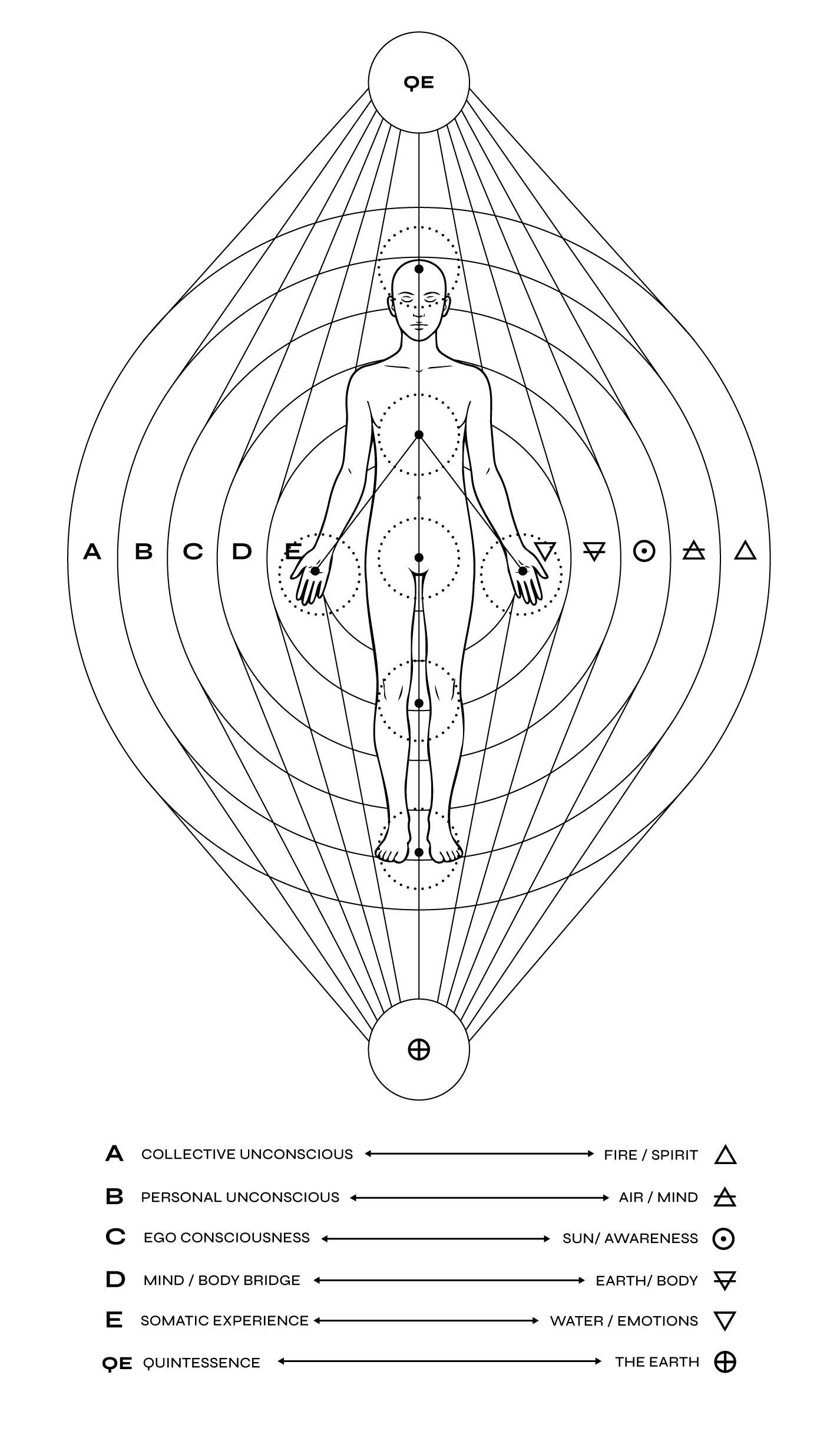
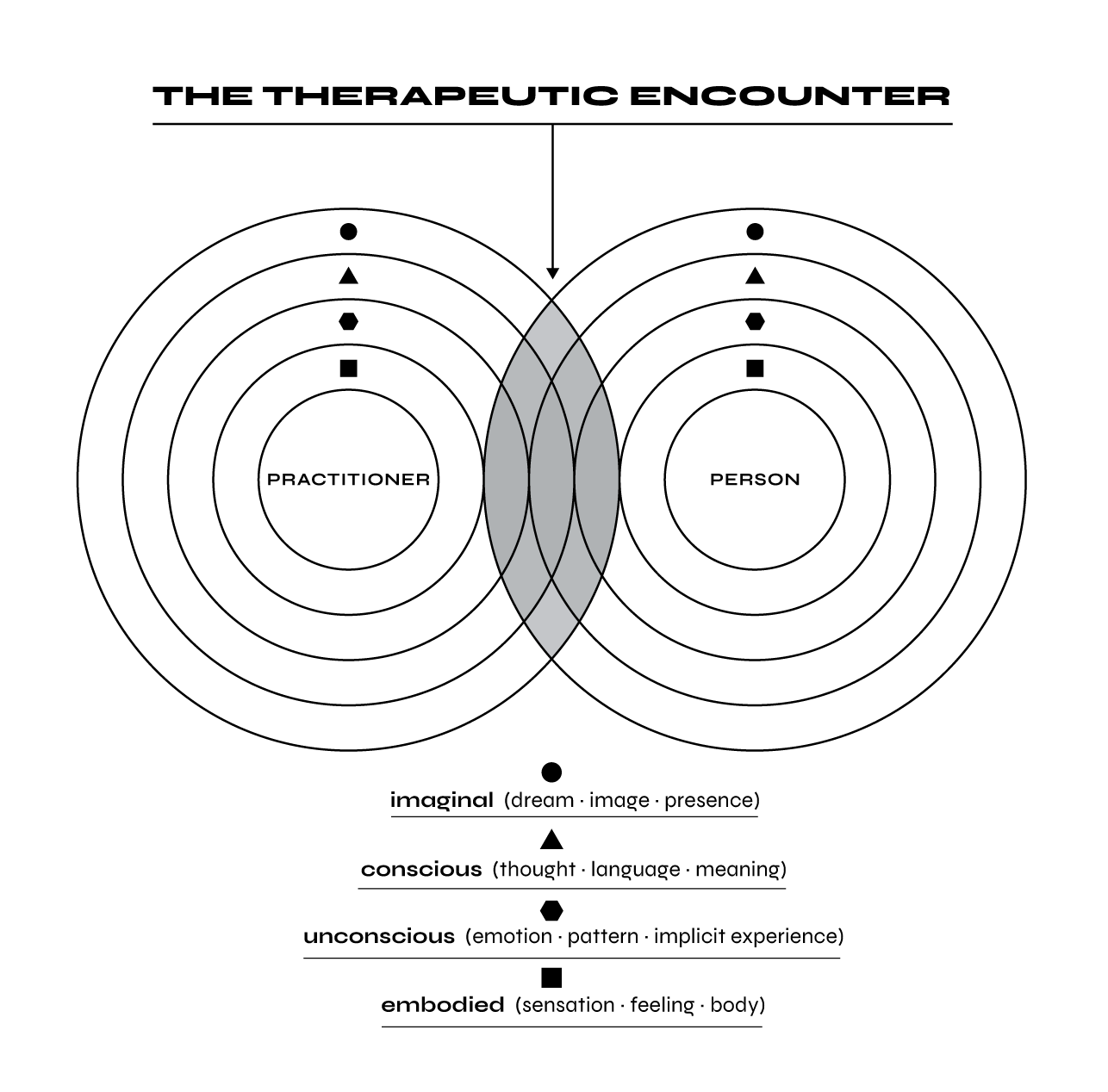
The therapeutic encounter extends beyond conscious conversation. Practitioner and person each bring their own embodiment, unconscious patterns, thoughts, emotions and inner experiences into a shared relational space. Through attentive dialogue, reflection and exploration of the phenomenological experience of psyche or “presences”, creative resources and new states of consciousness are made available.
The realm of dreams, images, presences and imagination, where experience can extend beyond ordinary language. Exploring this material can reveal resources or creative and new information not yet available to conscious thought.
The experience we can recognise, reflect upon and communicate through thought and language. Therapy examines the understandings and stories through which we interpret ourselves and our lives.
Emotional responses and recurring patterns can operate outside immediate awareness while shaping how we feel, behave and relate. Therapeutic enquiry can bring these patterns into awareness, allowing different responses to emerge.
Experience occurs not only in thought but through sensation, feeling and the body’s responses. Attending to the body can reveal what is occurring within us before it can be clearly understood or expressed.
8 dreamwork sessions · focused enquiry · embodied imagination + dream work · defined beginning and completion
Some people may only have a short time available to clear space in their lives to work deeply and with intention on an important issue. Brief and In Depth offers a focused eight-session pathway for exploring one particular issue, transition or recurring pattern. Drawing upon Embodied Imagination and dream work, the process activates dreams and the creative imagination to respond to the issue. The person works on dreams that arise throughout the eight sessions, developing awareness and resources to take forward into life at the completion.
The opening work establishes the question, experience or pattern you want to explore and sets intention for deeper material to emerge via an incubation.
Across the following sessions, developments are briefly explored and then dreamwork is undertaken using Embodied Imagination on new dreams that occur each week after the previous session.
The work allows for genuine shifts from embodied states accessed in the process and new neural pathways to be activated. These new ways of being are carried into relationships, choices and everyday experience.
15 minutes · free · phone or Zoom
A relaxed opportunity to discuss what has brought you here, ask questions about Embodied Imagination and explore whether OPUS feels like the right fit. There is no obligation to continue.
weekly / fortnightly · consistent time
Regular sessions are held at a steady rhythm because the psyche responds to reliability and attentiveness—this is where deeper patterns can surface safely.
spaced sessions · named endings · open return
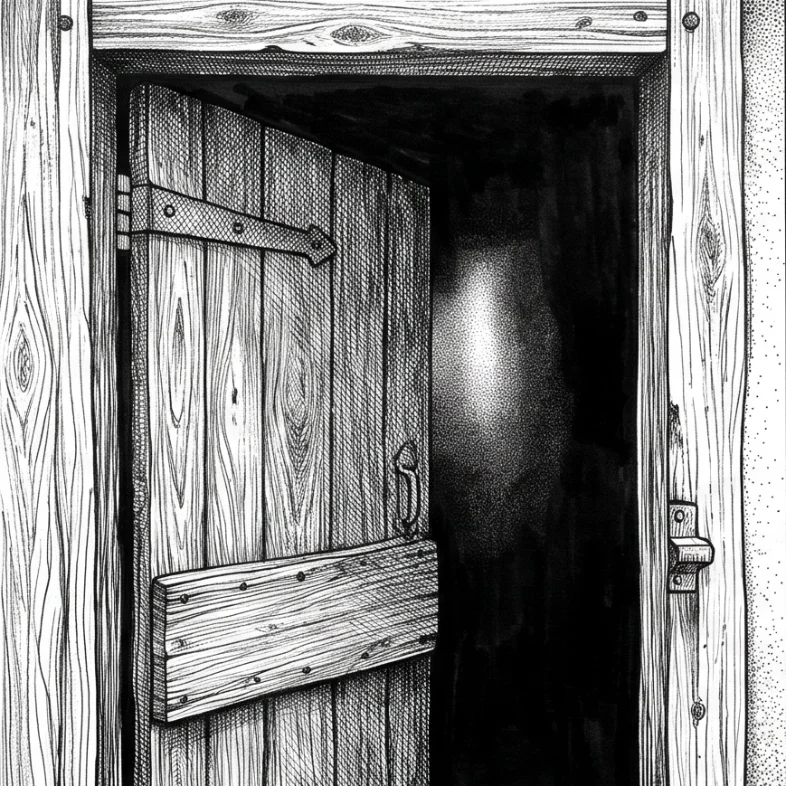
Insight is carried gently into everyday life as sessions become less frequent, working toward independence—with the door left open for later chapters.
Clear, considered fees for depth-oriented work — with pathways to rebates and support where they apply. Indicative figures below; final fees confirmed in your initial conversation.
{{ r.d }}
An informal conversation by phone or Zoom where we can discuss the approach and suitability.
{{ f.d }}
{{ q.a }}
Enquiries are welcome and unhurried.
Creativity, innovation, new information...
from imagination. — S.
These terms describe the basis on which Opus Psychotherapy provides psychotherapy, counselling and related services to clients (“you”). By booking or attending a session, you agree to the terms below.
Questions about these terms are welcome any time — contact info@opuspsychotherapy.com.au.
This policy outlines the ways in which Opus handles the personal information of our clients. We take privacy seriously and are committed to complying with the Australian Privacy Principles in the Privacy Act 1988 (Cth).